
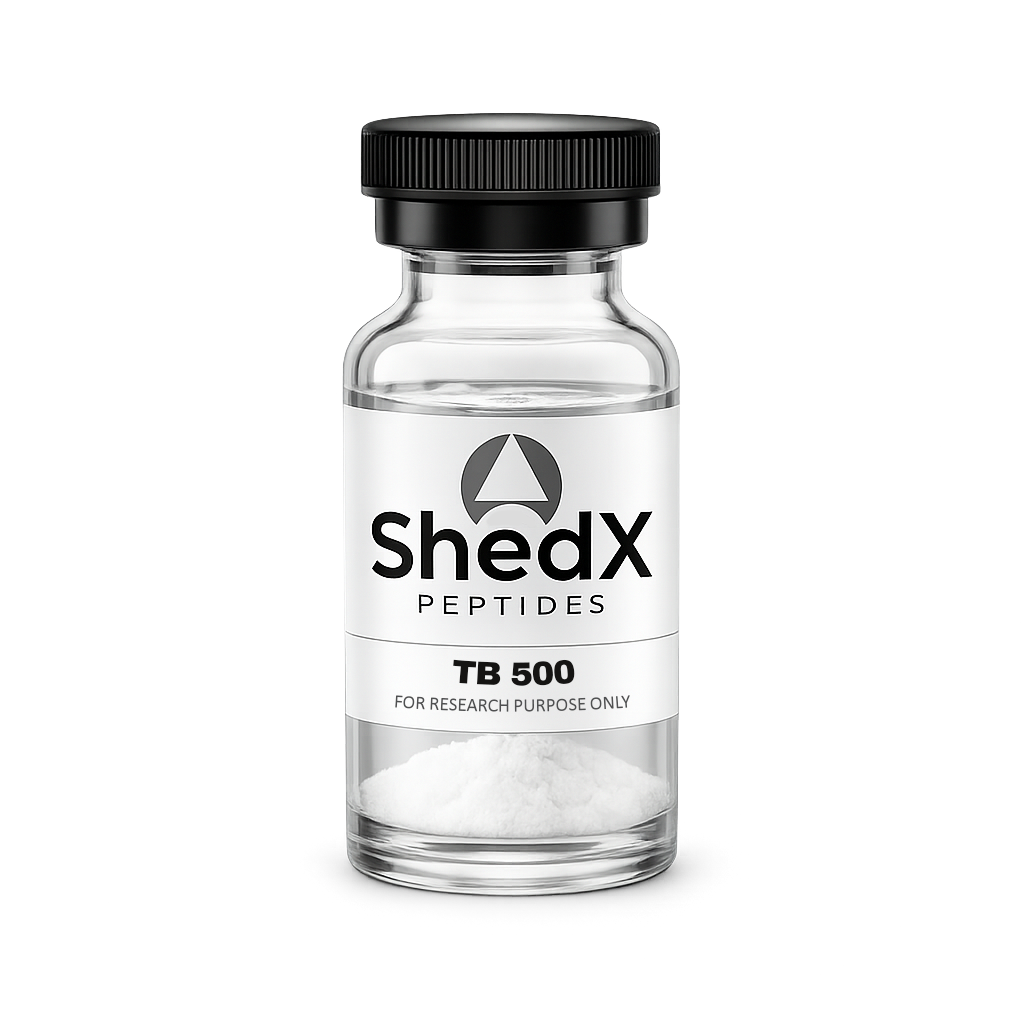
Description
TB-500 (Thymosin Beta-4 Fragment) Dosage Protocol
TB-500 is a synthetic peptide derived from the naturally occurring protein Thymosin Beta-4 (Tβ4), known for its role in cell migration, angiogenesis (new blood vessel formation), and tissue regeneration. It is widely studied for its ability to support muscle recovery, wound healing, and inflammation reduction. Unlike growth hormone–based peptides, TB-500 does not directly influence IGF-1 levels, making it a targeted option for recovery and repair applications.
This educational protocol outlines a structured subcutaneous or intramuscular approach using a practical dilution for precise dosing.
Reconstitute:
Add 2.0 mL bacteriostatic water → ~2.5 mg/mL (2500 mcg/mL) concentration.
Typical Protocol:
- Loading Phase (4–6 weeks): 2–2.5 mg twice weekly
- Maintenance Phase: 2–2.5 mg every 1–2 weeks
Easy Measuring:
At 2.5 mg/mL,
- 1 unit = 0.01 mL ≈ 25 mcg on a U-100 insulin syringe
- 100 units (1 mL) = 2500 mcg (2.5 mg)
Example:
- 2 mg dose ≈ 80 units
- 2.5 mg dose ≈ 100 units
Administration:
- Subcutaneous (belly fat) or intramuscular (near injury site)
- Rotate injection sites for comfort
Storage:
- Lyophilized: Store at −20 °C (−4 °F)
- After reconstitution: Refrigerate at 2–8 °C (35.6–46.4 °F)
- Avoid repeated freeze–thaw cycles
Note:
TB-500 is commonly utilized in research settings focusing on soft tissue repair, joint recovery, and systemic healing support, with emerging data suggesting benefits in flexibility and reduced recovery time following physical stress.


Reviews
There are no reviews yet.