
Sale!


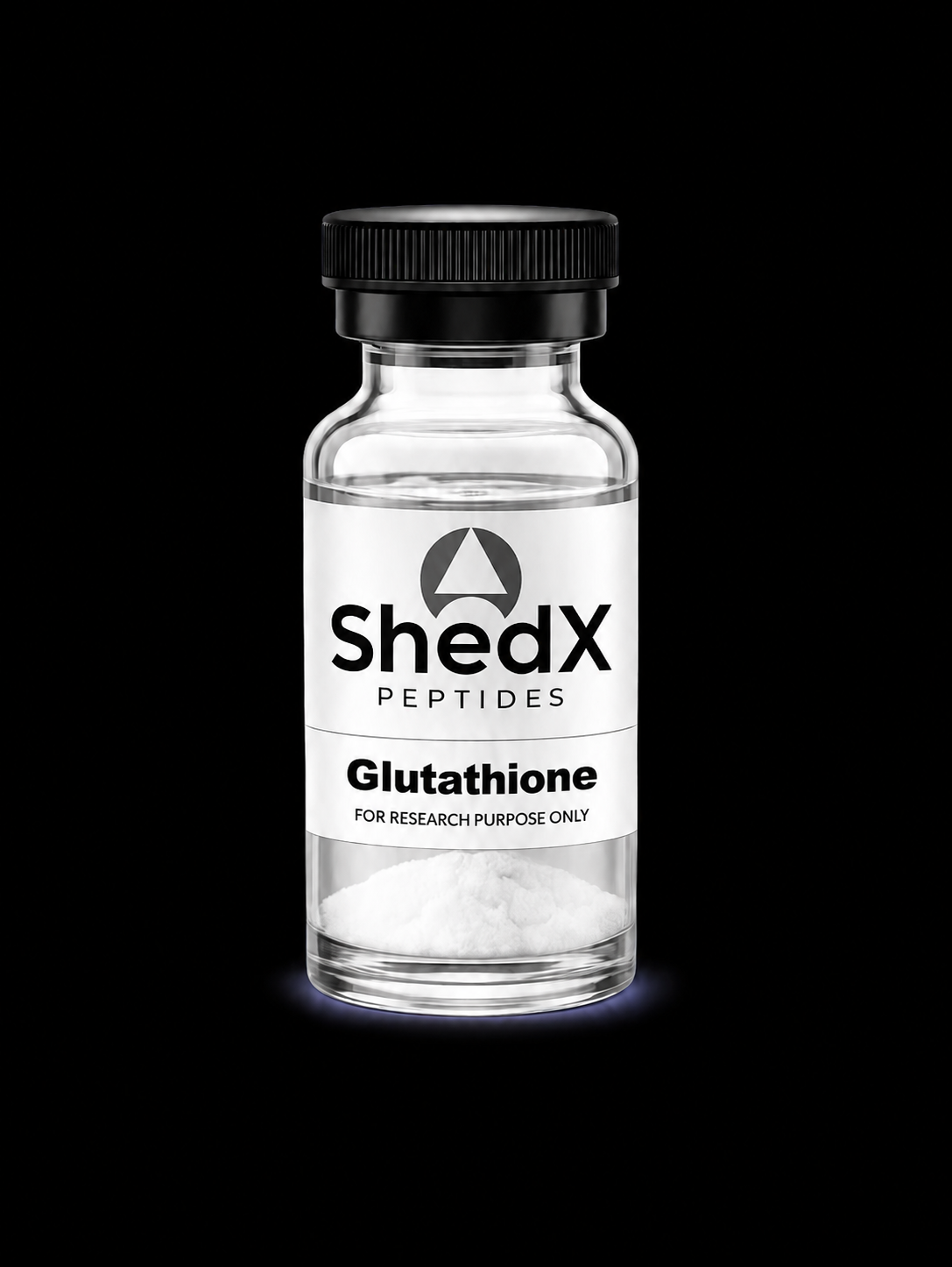
Glutathione 1500mg
Original price was: $100.00.$80.00Current price is: $80.00.
What is Glutathione?
Glutathione is a tripeptide consisting of three amino acids (glutamate, cysteine and glycine) and is naturally produced in the liver. These amino acids that make up glutathione are non-essential amino acids that our body can produce on its own when needed. Glutathione, a powerful antioxidant, plays a critical role in reducing oxidative stress by fighting free radicals in the body.
What are the Benefits of Glutathione? What Does It Do?
Antioxidants fight molecules that damage cells in the body called free radicals. In particular, glutathione protects cells by neutralizing the effects of reactive hydroxyl free radicals and other oxygen-derived free radicals. However, glutathione also promotes cell health by counteracting the effects of oxidative stressors and other biomolecules that damage DNA. However, factors such as poor diet, infections and constant stress can lead to reduced levels of glutathione in the body. There is also a natural decrease in glutathione levels with age.
Research has also found that many chronic diseases are associated with a decrease in glutathione levels. These include;
- Alzheimer’s
- Cancer
- Chronic liver disease
- Cystic fibrosis
- Diabetes
- Hypertension
- HIV, AIDS
- Lupus
- Infertility (female, male)
- Parkinson’s
As a result, glutathione is an important part of the body’s natural defense mechanisms and maintaining these levels is essential for a healthy life.
Which diseases is glutathione good for?
Diabetes is a health problem that develops as a result of the body not producing enough insulin or not being able to use the insulin it produces effectively. High levels of sugar in the blood (hyperglycemia) and insulin deficiency or resistance can lead to increased oxidative stress. This oxidative stress is a critical factor in the progression of diabetes. Furthermore, low levels of glutathione can exacerbate oxidative stress and insulin resistance.
Recent research has shown that dietary supplements can increase glutathione production, thereby reducing oxidative stress and improving insulin sensitivity. These findings suggest that glutathione supplements may be an important aid in diabetes management.
Anti-Aging Effects: Cell Regeneration and its Effect on the Aging Process
Glutathione has attracted attention in recent years as an effective solution against the aging process. The effects of aging are realized not only on the skin, but also in many areas of the body, from nails to hair. The accumulation of free radicals is one of the most important factors that accelerate this process. Glutathione helps slow down aging by fighting harmful free radicals. If free radicals accumulated in the body are not removed, problems such as wrinkles, broken nails and hair loss become inevitable. Glutathione not only repairs damaged cells but also contributes to the production of new and young cells through its mitochondrial action. Aging of cells can cause serious problems not only in terms of aesthetics but also in terms of physical health. Therefore, it is of great importance to take steps to protect the health of the body.
Studies have shown that people who live well into their 80s and beyond have higher levels of glutathione. Low glutathione levels send signals that trigger cell death (apoptosis). Given the critical role of glutathione in cellular and mitochondrial function, the health and longevity benefits are enormous.
In summary, the more glutathione you have in your body, the healthier your cells and mitochondria are. The lower the glutathione level, the greater the likelihood of cellular deterioration, disease risk and cellular death.
Liver Health: The Importance of Glutathione in the Detoxification Process
The liver is our most important detox organ. Glutathione is considered to be the most important assistant of detoxification processes in the liver.
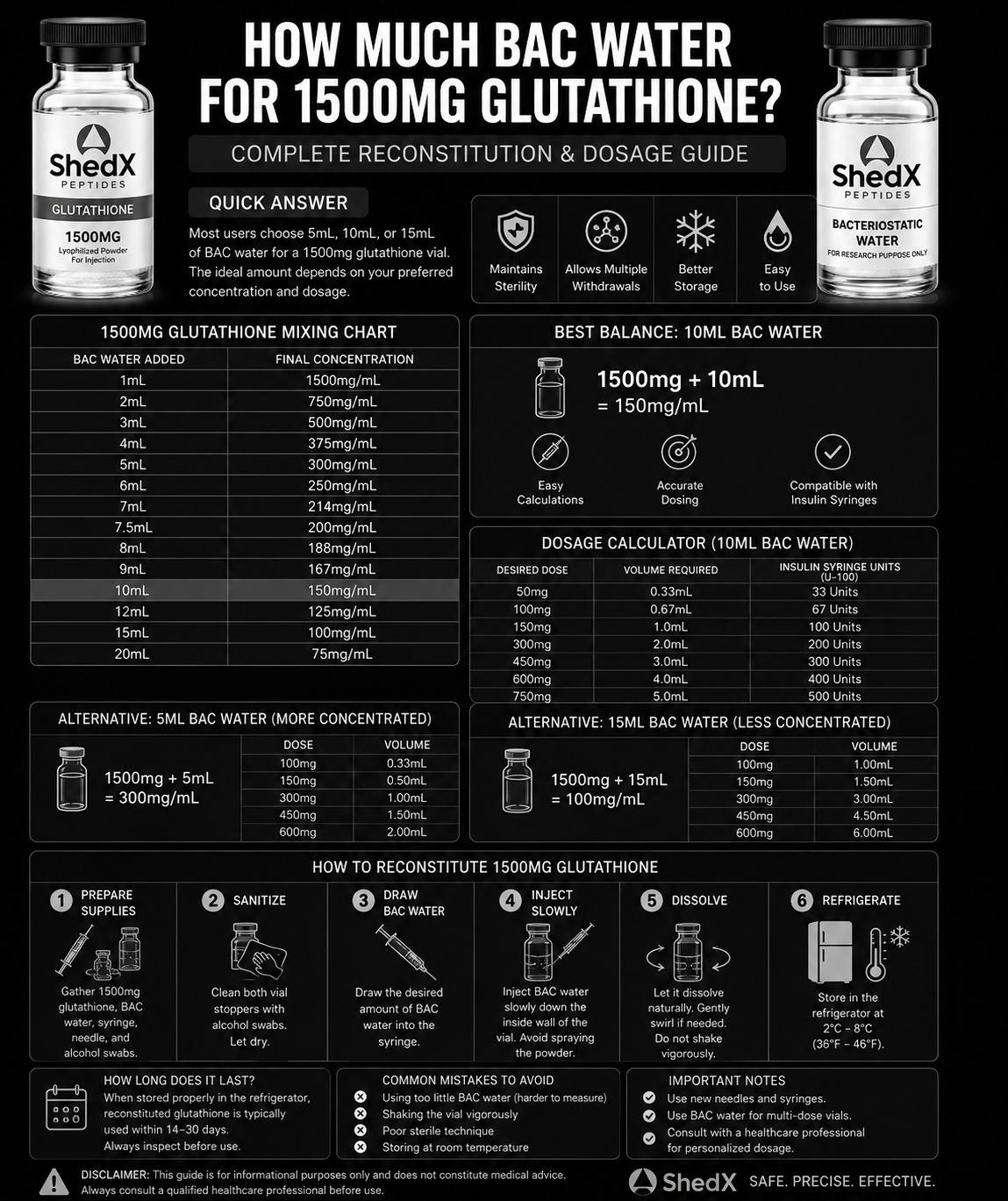
Dosing & Reconstitution Guide
A single practical dilution with twice-to-thrice-weekly dosing, step by step
Standard Approach (7.5 mL = 200 mg/mL)
▪
Reconstitute: Add 7.5 mLbacteriostatic water to one 1500 mg vial → final concentration 200 mg/mL.
▪
Typical range: 100–200 mg per dose, 2–3× weekly, over a 12-week course.
▪
Easy measuring: At 200 mg/mL, 1 unit = 0.01 mL = 2 mg on a U-100 syringe, so units = mg ÷ 2. A 200 mg dose equals 100 units (1.0 mL), a relatively large SC volume.
▪
Storage: Lyophilized: store at −20 °C (−4 °F); after reconstitution, refrigerate at 2–8 °C (35.6–46.4 °F)protected from light and do not freeze the mixed solution.
| PHASE / WEEK(S) | DOSE & FREQUENCY | VOLUME (U-100 UNITS / ML) |
|---|---|---|
| Weeks 1–2 (initiation) | 100 mg (2–3× weekly) | 50 units (0.50 mL) |
| Weeks 3–8 (maintenance) | 200 mg (2–3× weekly) | 100 units (1.0 mL) |
| Weeks 9–12 | 200 mg (2–3× weekly) | 100 units (1.0 mL) |
| Concentration | 1500 mg + 7.5 mL = 200 mg/mL | 1 unit = 0.01 mL = 2 mg |
Reviews
There are no reviews yet.