
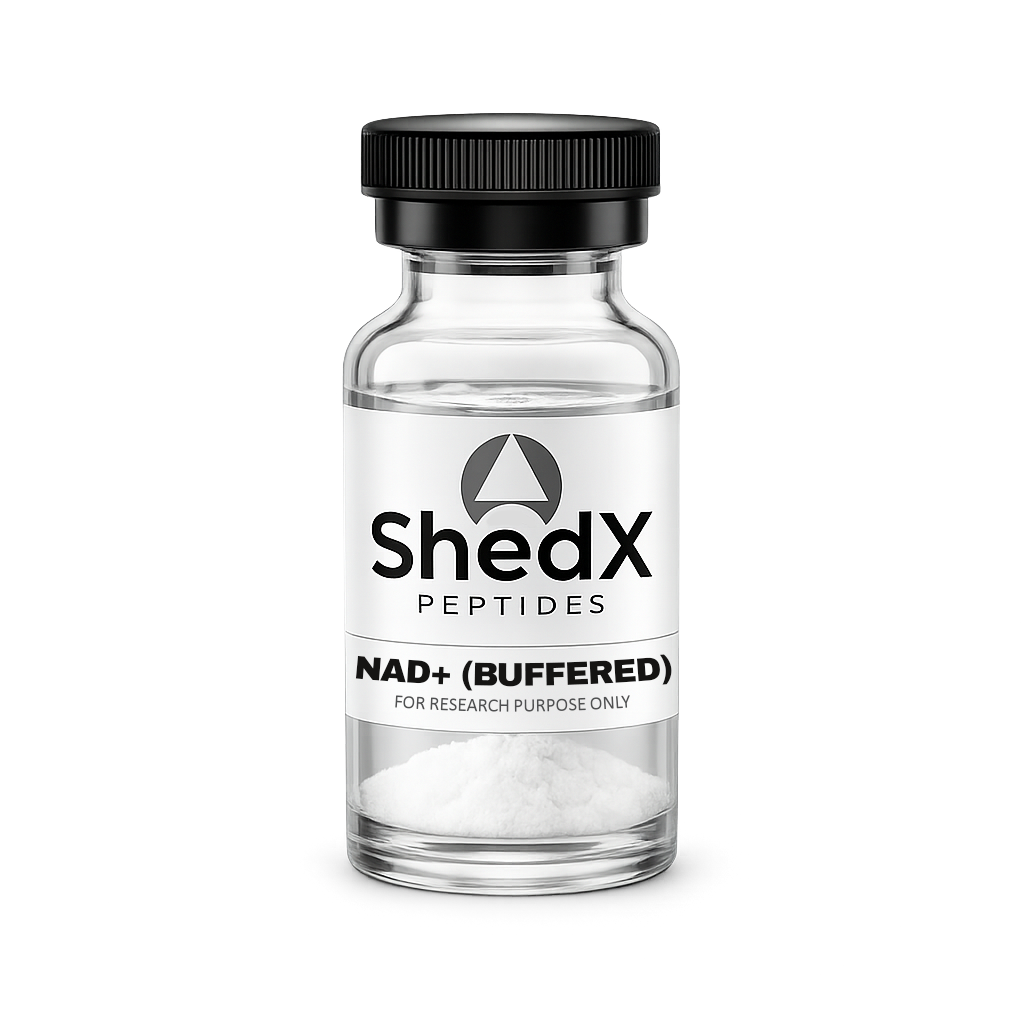
Description
NAD⁺ (Nicotinamide Adenine Dinucleotide) Dosage Protocol
NAD⁺ is a critical coenzyme found in all living cells, essential for cellular energy production (ATP), DNA repair, and regulation of metabolic and aging-related processes. It plays a central role in activating sirtuins, which are involved in longevity, mitochondrial function, and cellular resilience.
As NAD⁺ levels naturally decline with age, supplementation is widely studied for supporting energy, cognitive function, recovery, and anti-aging pathways.
This educational protocol outlines a subcutaneous or intramuscular approach using a practical dilution for accurate dosing.
Reconstitute:
Add 5.0 mL bacteriostatic water → ~20 mg/mL (20,000 mcg/mL) concentration (based on a 100 mg vial)
Typical Protocol:
- Start: 50 mg per dose
- Common range: 50–200 mg per dose
- Frequency: 2–5 times per week
- Cycle Duration: 4–8 weeks (commonly used in energy or recovery protocols)
Easy Measuring:
At 20 mg/mL,
- 1 unit = 0.01 mL ≈ 200 mcg on a U-100 insulin syringe
Example:
- 50 mg dose ≈ 25 units
- 100 mg dose ≈ 50 units
- 200 mg dose ≈ 100 units (1 mL)
Administration:
- Subcutaneous or intramuscular injection
- Some protocols prefer slow administration to minimize flushing
- Often used in the morning for energy and cognitive support
Storage:
- Lyophilized: Store at −20 °C (−4 °F)
- After reconstitution: Refrigerate at 2–8 °C (35.6–46.4 °F)
- Protect from light (NAD⁺ is light-sensitive)
- Avoid repeated freeze–thaw cycles
Note:
NAD⁺ is widely researched for energy enhancement, brain function, DNA repair, and anti-aging support. Some users may experience temporary flushing, warmth, or mild discomfort during administration, particularly at higher doses or faster injection rates.


Reviews
There are no reviews yet.