
Description
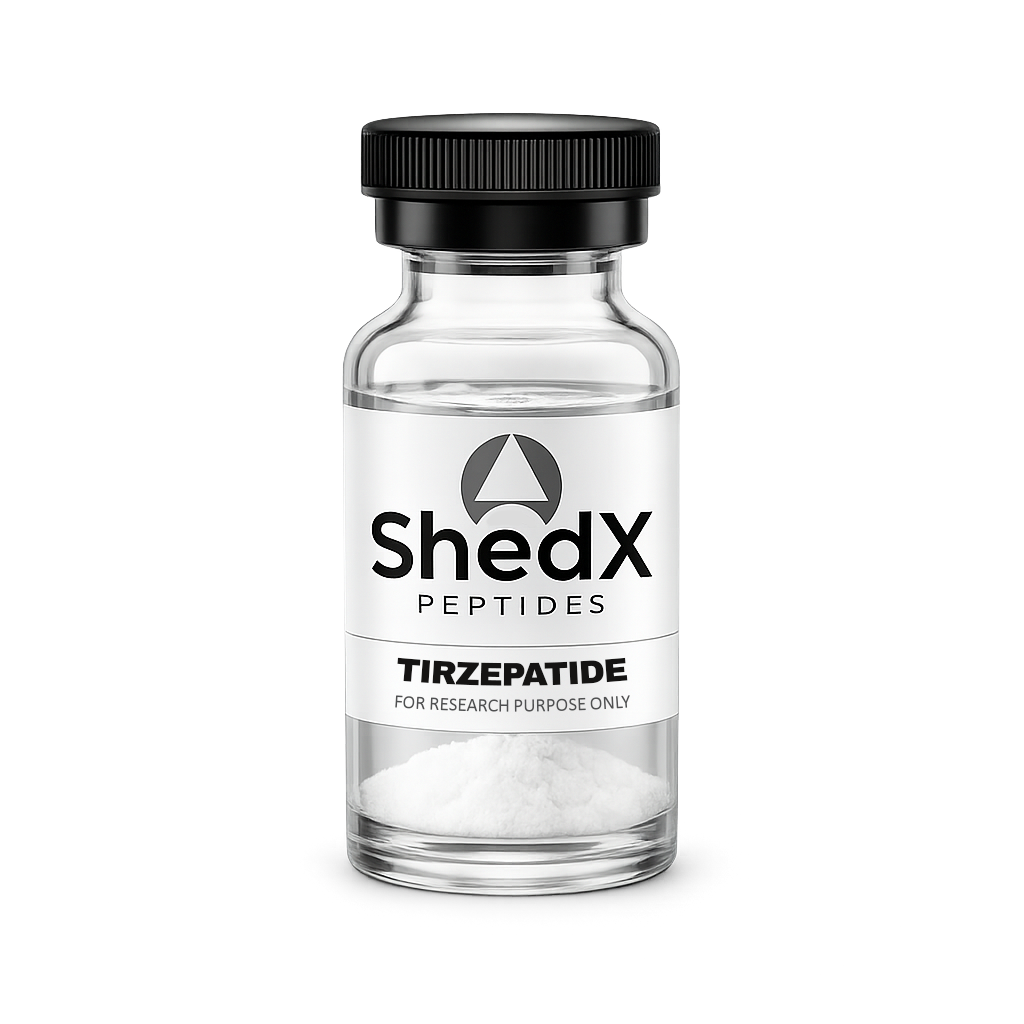
Tirzepatide (Dual GIP/GLP-1 Agonist) – 15 mg Dosage Protocol
Tirzepatide is a dual GIP (glucose-dependent insulinotropic polypeptide) and GLP-1 (glucagon-like peptide-1) receptor agonist designed to support weight management, appetite suppression, and glycemic control. By activating both incretin pathways, it enhances insulin sensitivity, reduces food intake, and slows gastric emptying, making it highly effective in metabolic optimization protocols.
Clinical studies have demonstrated significant fat loss and improved blood glucose regulation, with a gradual titration approach improving tolerability and reducing gastrointestinal side effects.
This educational protocol outlines a once-weekly subcutaneous dosing strategy using a practical dilution for accurate measurement.
Reconstitute:
Add 1.5 mL bacteriostatic water → ~10 mg/mL (10,000 mcg/mL) concentration (based on a 15 mg vial)
Typical Weekly Protocol (Titration):
- Week 1–4: 2.5 mg once weekly
- Week 5–8: 5 mg once weekly
- Week 9–12: 7.5 mg once weekly
- Week 13+: 10–15 mg once weekly (based on tolerance and goals)
Easy Measuring:
At 10 mg/mL,
- 1 unit = 0.01 mL ≈ 100 mcg on a U-100 insulin syringe
Example:
- 2.5 mg dose ≈ 25 units
- 5 mg dose ≈ 50 units
- 10 mg dose ≈ 100 units (1 mL)
- 15 mg dose ≈ 150 units (1.5 mL; split into multiple injections)
Administration:
- Subcutaneous injection (abdomen, thigh, or upper arm)
- Once weekly, same day each week
- Rotate injection sites
Storage:
- Lyophilized: Store at −20 °C (−4 °F)
- After reconstitution: Refrigerate at 2–8 °C (35.6–46.4 °F)
- Do not freeze after mixing
- Protect from light
Note:
Tirzepatide is widely researched for obesity and type 2 diabetes management, showing strong results in appetite suppression, fat loss, and metabolic control. Some users may experience nausea, reduced appetite, or mild gastrointestinal discomfort, particularly during dose escalation.


Reviews
There are no reviews yet.